
Introduction
Farming, one of humanity’s oldest practices, is undergoing a quiet but powerful transformation. From satellite-guided tractors to AI-powered soil monitors, smart farming tools are changing the way farmers grow, monitor, and harvest crops. While these innovations may not make headlines daily, their impact is reshaping rural lives and agricultural systems around the world.
A Global Movement, Different Speeds
While high-tech farming is growing fast in the U.S., Europe, and parts of Asia, adoption varies by region. In many developing countries, smartphones are becoming the first smart farming tool farmers use.
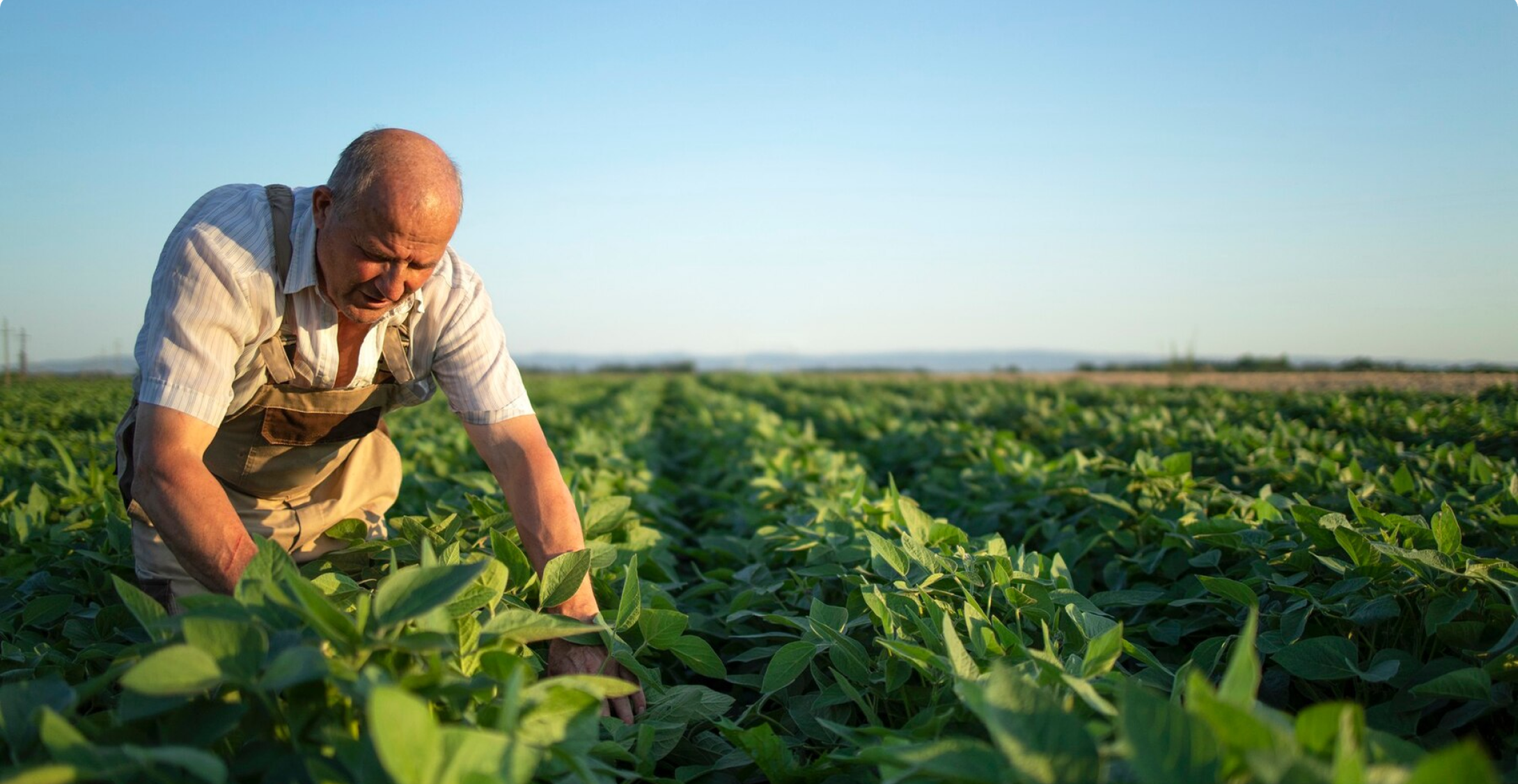
Apps providing weather updates, market prices, or planting advice are already making a difference in rural communities. Over time, even small farms are seeing the value of going digital — step by step. In regions facing labor shortages, automation is a game changer. Tractors that drive themselves, irrigation systems that turn on automatically.
Increasing Yields Without Increasing Land
With global population growth, the pressure is on to produce more food using the same (or less) land. Smart farming helps by improving per-acre productivity. For example:
- Precision seeding ensures plants have optimal space and nutrients
- Automated irrigation saves water and delivers it exactly where needed
- Crop forecasting models help plan ahead for better harvest outcomes
These innovations significantly reduce the need for guesswork by providing accurate, real-time data, allowing farmers to make informed decisions that ultimately lead to more consistent yields, better quality crops, and improved resource efficiency.
Conclusion: Slow and Steady, But Powerful
The change may not be dramatic or overnight, but smart farming tools are quietly revolutionizing agriculture. From big commercial farms to small family plots, the benefits of efficiency, data, and automation are being felt everywhere. As technology becomes more accessible, the transformation will only grow — helping farmers feed the world smarter, not harder.

Industrial automation specialists.
ABN: 87 600 292 760
QLD Electrical Licence: 1502586


